






Termékleírás
- Akár 58%-os belépő levegő hőmérséklet-csökkentés (IATS)
- Az Egyesült Királyságban készült
- 76 mm-es bemenet és kimenetek (gyárilag 63 mm)
- 83%-os volumennövekedés az OEM-hez képest
- A jármű nem szakad meg, 100%-ban plug and play
- Nagy áteresztőképességű, terelőlemezes öntött végű tartályok, amelyek biztosítják az optimális légáteresztést a hűtési hatékonyság érdekében
- 5 rétegű szilikon tömlőkészlet mellékelve.
- Élettartam garancia

Rendkívül sikeres termékpalettánkkal az Audi 2.5 TSI motorral felszerelt járműveihez, logikus volt, hogy a Forge Motorsport ugyanezt tegye a Cupra Formentor VZ5-tel is, mivel ugyanazt a szívet osztja meg az Audi RS3-mal. Bár lehet, hogy ugyanaz a 2.5 TSI motorja van, a VZ5-be szerelt hűtőcsomag nem az! A VZ5 valójában ugyanazzal az intercooler-elrendezéssel rendelkezik, mint a Golf R/Audi S3, így itt két platform hibridjéről van szó. Mind a 2.5 TSI, mind a 2.0 TSI fejlesztése során az intercooler-t találtuk egy veszélyeztetett területnek, és jelentős előnyöket tudtunk elérni a Forge hűtőtermékeinkkel mindkét motor esetében.
Fejlesztőmérnökeink nagy tapasztalattal rendelkeznek ezekkel a korábbi modellekkel kapcsolatban, így képesek voltak megbirkózni a Cupra Formentor VZ5 számára tervezett, jelentősen továbbfejlesztett hűtőcsomag kihívásával. A kitűzött feladat egy olyan intercooler kifejlesztése volt, amely a jármű módosítása nélkül a lehető legjobban kihasználja a rendelkezésre álló teret, és biztosítja a beszívott levegő hőmérsékletének csökkentését a turbónyomás negatív befolyásolása nélkül, valamint lehetőséget biztosít a 600 lóerős vagy annál nagyobb teljesítmény elérésére.
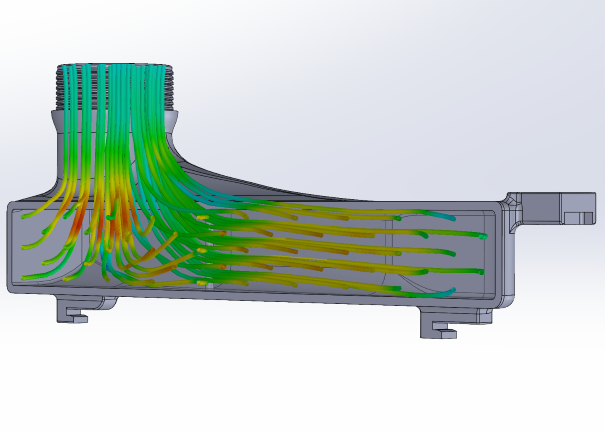
Többféle terelőlemez-konfigurációt terveztek és áramlásszimulációt végeztek a maximális teljesítmény elérése érdekében, hogy a mag optimálisan működjön, miközben gondoskodtak a hűtési képességek fenntartásáról, és arról, hogy a mag belső térfogata kihasznált legyen az optimális teljesítmény érdekében.
A bemeneti és kimeneti méretek növelésével a szilikon tömlőink tervezésére fordítottuk a figyelmünket. Az áramlást szem előtt tartva egy lépcsőt alakítottunk ki a tömlőn belül, így a bemeneti és kimeneti csomópontok meleg és hideg oldalával való találkozáskor az átmenet zökkenőmentes, ez segít kiküszöbölni a légáramlás bármilyen zavarát és megelőzni a nem kívánt turbulenciát. Az áramlás további elősegítése érdekében a bemeneti és kimeneti nyílásokat a gyári 63 mm- es méretről 76 mm -re növeltük, ami 45%-os felületnövekedést jelent .
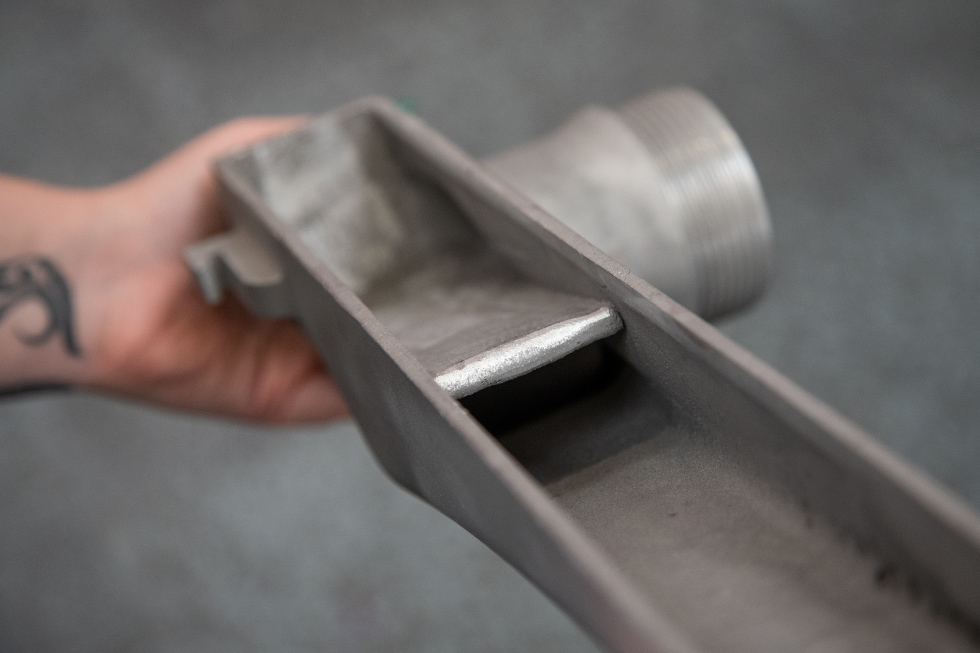
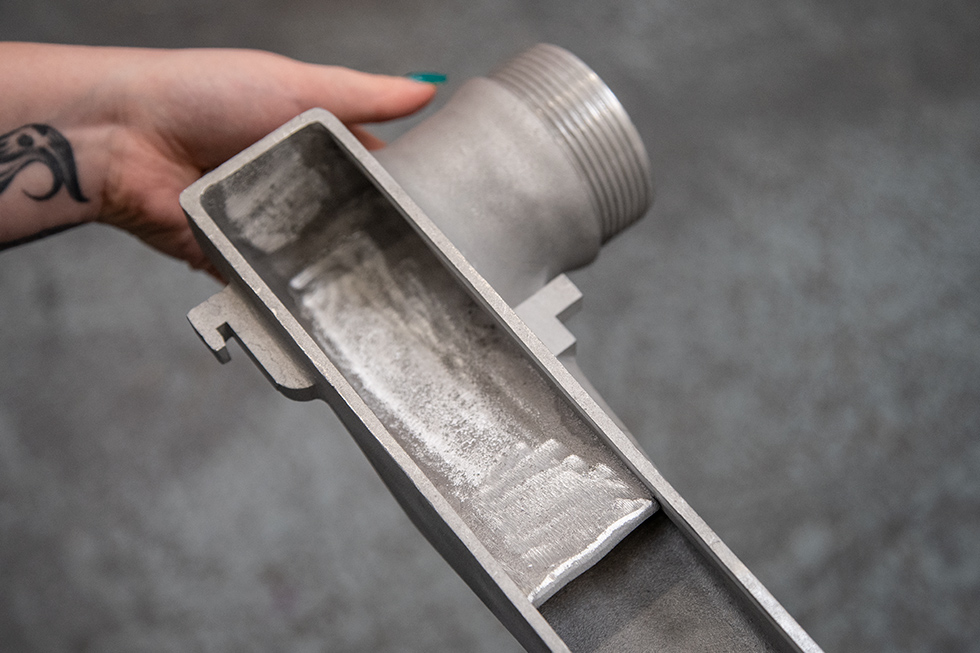
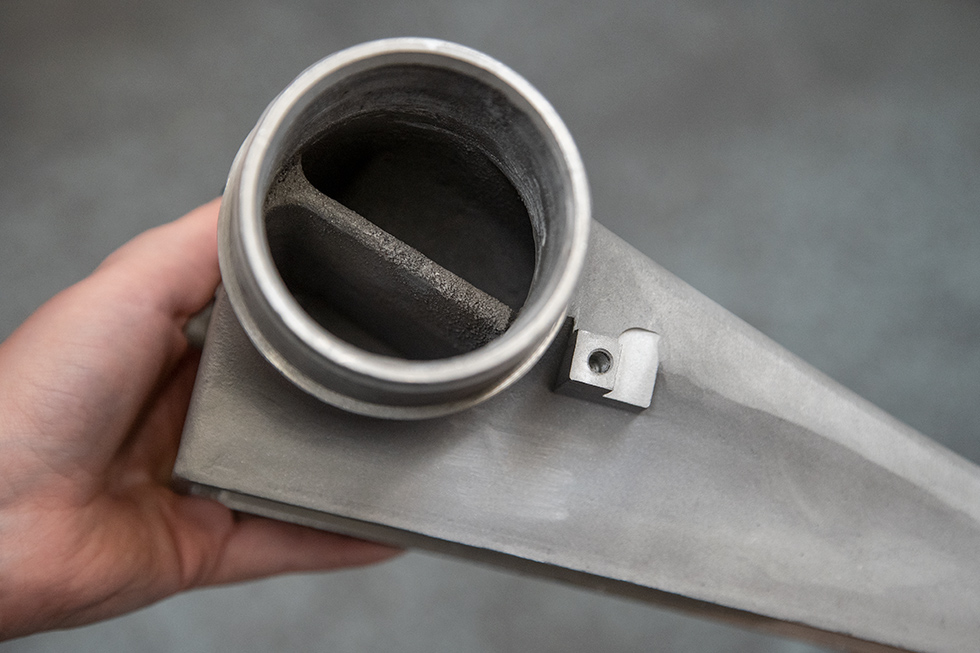
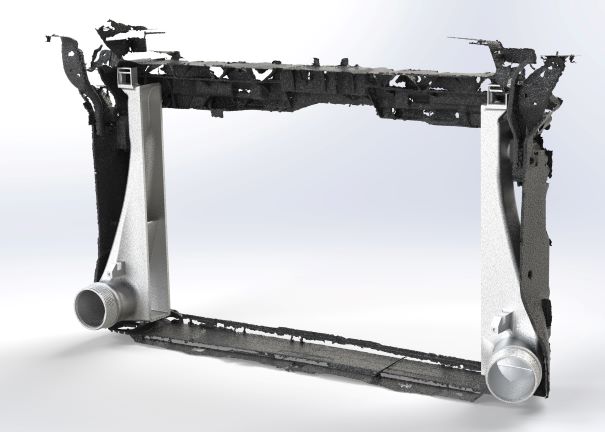
Az Audi RS3/TTRS-szel ellentétben a Formentor VZ5 intercooler háza különösen korlátozott és kis helyre van korlátozva, mivel nemcsak az intercooler, hanem a hűtő és a légkondicionáló kondenzátora is benne található. Az előlap elméletileg egy szendvicscsomag, amely a kiegészítő hűtőkomponenseket tartalmazza. Ez azt jelenti, hogy az intercooler méretének növelése a környező alkatrészek teljesítményének rovására menően, és mivel nagyon kevés extra hely áll rendelkezésre, nagyon nehéz lehet egy nagy áramlású intercooler tökéletes kombinációját megvalósítani ilyen közelségben.
A tervet szkennelő szoftverek és hagyományos mérési módszerek kombinációjával alkottuk meg. Ezt aztán áramlásdinamikai szimulációs programjainkkal (CFD) finomhangoltuk, a végtartályokat pedig kezdetben 3D nyomtatókkal készítettük el . Ez lehetővé tette számunkra, hogy biztosítsuk a járműre való tökéletes illeszkedést, mielőtt bármilyen prototípus öntvényt vagy megmunkált végtartályt legyártottunk volna a dinamométeres tesztelésre.
Többféle terelőlemez-konfigurációt terveztek és áramlási szimulációt végeztek a maximális teljesítmény elérése érdekében, hogy a mag optimálisan működjön, miközben gondoskodtak a hűtési képességek fenntartásáról, és arról, hogy a mag belső teljes térfogata optimális teljesítményt nyújtson. Az áramlás további elősegítése érdekében a bemeneti és kimeneti nyílásokat az eredeti 63 mm- es méretről 76 mm -re növelték, ami a felület 45%-os növekedését jelenti .
Miután a tartályvégi terv elkészült, nekiláttunk a feltöltőtömlők vizsgálatának, mivel az eredeti tömlők nem kompatibilisek a kovácsolt, megnövelt bemeneti és kimeneti csatlakozások miatt, nem is beszélve az egyrétegű gumi konstrukciójukról, amely hajlamos a meghibásodásra a tuningolt járműveken. Saját CAD-tervezőink ismét egy olyan terméket készítettek, amely lépcsőzetes illesztéssel zökkenőmentes átmenetet hoz létre a feltöltőtömlő és az intercooler között, lehetővé téve a feltöltőlevegő lehető leghatékonyabb áramlását és megakadályozva a nem kívánt turbulenciát. A szerkezet 5 rétegű szilikonból készült, amely képes ellenállni a feltöltőnyomásnak, amely messze meghaladja az ettől az alkalmazástól elvárhatót. A készletben rozsdamentes acél Mikalor tömlőbilincsek is találhatók a biztonságos illeszkedés érdekében.
A helykihasználás és az okos tervezésünk alapján számos intercooler magot gyártottunk különböző bordakonfigurációkkal és belső kapacitásokkal. A mag kialakításától függően a tesztelési eredmények egy olyan rúd-lemez kialakítás mellett döntöttünk, amelynek több mint 83% -kal nagyobb a térfogata, mint az eredeti intercoolernek, és 10% -kal nagyobb a homlokfelülete.
Miért tesztelünk különböző magokat?
Itt a Forge Motorsportnál, amikor intercoolert fejlesztünk, minden alkalmazáshoz több különböző magot tesztelünk . Például egy rúd és lemez stílusú magot, egy cső és bordák stílusú magot különböző bordaosztásokkal és magasságokkal, valamint a belső bordák osztásainak/alakjának és sűrűségének változtatásával a csövön belül; ez lehetővé teszi számunkra, hogy finomhangoljuk az intercooler által előidézett nyomásesés mértékét. A nyomásesés nem mindig rossz dolog, ahogy azt tesztjeink és kutatásaink is bizonyították különböző projektekben. Ez azért van, mert a sűrített levegő sebességét a hűtőn belüli nyomásesés lelassítja, így több idő marad a hűtőben lévő levegő lehűlésére , mivel a levegő áthalad a mag nem nyomás alatt lévő felületén, amely nyitott a légkör felé.
A túl nagy nyomásesés természetesen problémát okozhat a nagyobb teljesítményű motoroknál, mivel az intercooler eléri a maximális hatásfokát, a turbónak sokkal keményebben kell dolgoznia, hogy a levegőt átpréselje a magon. Ez viszont magasabb belépő levegő hőmérsékletet (IAT) eredményez, mivel a turbó több hőt termel, mivel túlterhelt és keményebben dolgozik. A nyomásesés hiánya szintén nem hatékonynak bizonyulhat, mivel a hűtő nem csökkenti újra a töltési hőmérsékletet, ami magasabb belépő levegő hőmérsékletet eredményez.
Több mint hat próbapadon végzett teszt után is szuperbiztonságosak voltak az IAT-értékeink, és a Forge Motorsport intercooler 34°C -ot mutatott 6548-as fordulatszámon, ami 58% -os csökkenést jelent a gyári intercooler bemeneti hőmérsékletéhez képest, amely 58°C volt 6508-as fordulatszámon. Ezeket a teszteket viszonylag meleg körülmények között, 23°C-os környezeti dinamométer-hőmérséklet mellett végezték, ami bizonyítja, mennyire nem hatékony a gyári intercooler.
A nyári hónapokban a gyári intercooler és a magasabb beszívott levegő hőmérséklet rendkívül negatív hatással lesz a motor teljesítményére. Ilyen körülmények között a motorvezérlő egység késlelteti a gyújtást, ami a hőmérséklet emelkedésével alacsonyabb motorteljesítményt eredményez, és az ECU ekkor kikapcsolja az időzítést a detonáció leállítására. Egy felprogramozott jármű esetében az eredmények még károsabbak lesznek, és a motor idő előtti kopásához vezethetnek. Ha autóját gyors utakon használja, vagy nagy teljesítményű tuninggal rendelkezik forró éghajlaton, ez a termék elengedhetetlen.
Nincs értékelés